
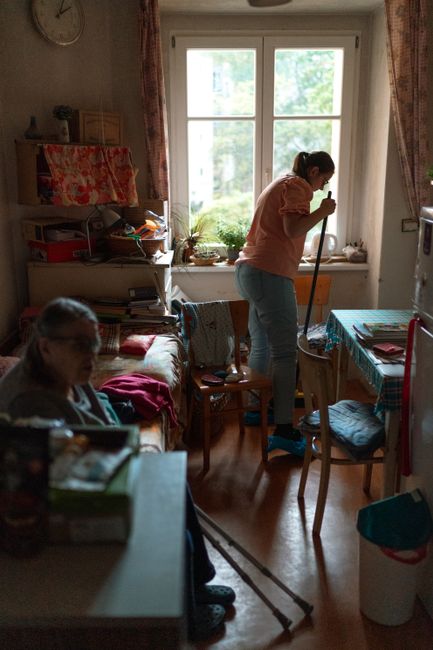
What does it mean to personalize an assisted living apartment?
Personalizing an assisted living apartment means arranging the space around a resident’s routines, memories, comfort, and safety. The goal is not to recreate an entire former home. It is to create a familiar living environment that supports independence and makes daily activities feel easier.
A personalized apartment may include:
- A favorite chair positioned near a window
- Family photographs placed at eye level
- A small collection of books, quilts, artwork, or keepsakes
- Familiar lighting and colors
- A calendar, clock, or memory board
- Furniture arranged to support safe walking paths
- Everyday items stored where they are easy to reach
The most successful arrangements usually balance emotional comfort with practical needs. A room can feel warm and personal without becoming crowded.
Which belongings are most useful to bring?
The best items are those that provide familiarity, serve a clear purpose, or help a resident maintain a preferred routine. Before moving day, sort belongings into three groups: essential, meaningful, and optional.
Essential items may include clothing, personal care supplies, medications managed according to the residence’s procedures, mobility aids, and items needed for sleep or reading. Meaningful belongings might include framed family photographs, a wedding quilt, a favorite lamp, religious objects, or a small piece of furniture.
Optional items should be chosen carefully. Large collections, extra tables, and duplicate household supplies may take up valuable space without improving daily life.
A useful question is: Will this item be seen, used, or enjoyed regularly? If the answer is no, it may be better stored with family rather than placed in the apartment.
How can furniture be arranged safely?
Furniture should support clear movement from the bed to the bathroom, doorway, closet, and sitting area. Walking paths should remain wide enough for the resident’s usual mobility aid, such as a cane, walker, or wheelchair.
Avoid placing:
- Small tables in the middle of walking paths
- Loose rugs near the bed or bathroom
- Electrical cords across the floor
- Tall objects where they could be knocked over
- Frequently used items on high shelves
- Chairs that are difficult to rise from
A favorite recliner or armchair can become the center of the room, but it should not block the doorway or make it difficult to reach the bathroom. Furniture with firm cushions and stable arms may be easier to use than very low or soft seating.
Any changes involving wall-mounted equipment, electrical outlets, sprinkler systems, or fixtures should follow the residence’s rules. Safety features must not be covered, moved, or obstructed.
How can personal memories be displayed without creating clutter?
Memory displays work best when they are selective and easy to see. Instead of covering every surface with photographs, choose a small number of meaningful images and rotate them periodically.
Possible arrangements include:
- A framed family photo near the entry
- A small gallery wall, if permitted
- A memory box with labeled photographs
- A tabletop display with a few seasonal items
- A bulletin board for cards, notes, and reminders
- A digital photo frame, if the resident can use it comfortably
Labeling people in photographs can help visitors, caregivers, and residents who have difficulty recalling names. Simple captions such as “Elaine and grandchildren, summer picnic” may provide useful conversation prompts.
Keepsakes should be displayed in ways that reduce the risk of breakage. Valuable jewelry, irreplaceable antiques, and fragile heirlooms may be safer with family members.
What lighting and color choices can improve comfort?
Lighting can affect visibility, mood, and fall risk. A room should have enough light for reading, dressing, and walking at night. Bedside lighting should be reachable without requiring the resident to stand.
Warm, even lighting is often more comfortable than harsh glare. Window coverings should allow natural light while reducing glare from snow or bright winter sun. Seasonal conditions in Archbald, PA can make indoor lighting especially useful during shorter winter days and overcast weather.
Color choices can also support orientation. Contrasting colors may make important objects easier to identify. For example, a darker chair against a lighter wall may be easier to see than furniture with similar tones. A contrasting bedspread or bathroom door can help define spaces.
Avoid excessive patterns, highly reflective surfaces, or decorations that make it difficult to distinguish the floor from furniture. Preferences vary, so the resident’s comfort should guide the final choices.
How should decorations support memory and orientation?
Familiar visual cues may help a resident recognize the apartment and understand where important items are located. A distinctive wreath, family photograph, or favorite artwork near the door can make the entrance easier to identify.
A large clock and clearly visible calendar may help with time orientation. Some residents benefit from a whiteboard showing the day’s activities, visitors, or appointment reminders. Written information should be large enough to read and placed where it will be noticed.
For someone living with memory loss, too many decorations can become confusing. Keep the room visually simple, use familiar objects, and change the arrangement gradually rather than all at once.
Personalization should never be used to disguise a safety concern. If a resident is frequently getting lost, falling, or becoming distressed by the environment, the room setup may need to be reconsidered with the care team.
What should families consider for seasonal changes?
Seasonal decorating can make an apartment feel connected to family traditions, but decorations should be easy to manage. A small tabletop display, seasonal table runner, or familiar holiday photographs may be enough.
In northeastern Pennsylvania, winter may bring wet footwear, coats, hats, and heavier clothing. A designated basket or hook, if permitted, can keep these items organized without narrowing the entryway. During warmer months, lightweight blankets and washable fabrics may make the space more comfortable.
Decorations should be stable, washable when possible, and free of dangling cords or small pieces that could create hazards. Live plants may require additional care and may not be suitable for every resident or apartment.
How can technology be included thoughtfully?
Technology can support connection, entertainment, and reminders, but it should match the resident’s abilities and preferences. A simple tablet or phone may be useful for family calls, music, photographs, or reading. Large buttons, written instructions, and a consistent charging location can make devices easier to use.
Avoid creating a complicated system that requires frequent troubleshooting. If a resident becomes frustrated by technology, familiar non-digital options such as printed photographs, a radio, a calendar, or handwritten notes may work better.
Hearing, vision, and dexterity should be considered. Volume controls, screen brightness, font size, and charging access may need adjustment. Devices should not create cords across walking areas or interfere with emergency equipment.
What should be discussed before moving belongings in?
Ask about apartment measurements, permitted furniture, wall attachments, electrical equipment, storage limits, laundry arrangements, and rules for personal appliances. Also clarify which items are handled by residents, families, or staff.
A brief room plan can prevent unnecessary moving. Measure larger furniture before transport and mark the intended location of major pieces. Bring a few essential items first, then add personal touches after the resident has spent time in the space.
Personalization is not finished on move-in day. A resident’s needs may change as mobility, vision, memory, or interests change. Reassess the arrangement periodically, especially after a fall, illness, or change in daily routine.
A comfortable apartment should reflect the resident’s identity while remaining easy to navigate, maintain, and understand. The most meaningful details are often simple: a familiar chair, a well-placed photograph, a favorite blanket, or a clear path to the things used every day.
