
Change can be difficult at any age, but later-life transitions may affect an older adult’s routines, independence, identity, and sense of security all at once. Moving to assisted living, losing a spouse, managing a new health condition, giving up driving, or adapting to mobility changes can bring grief as well as practical challenges.
The goal is not to eliminate every difficult feeling. A better approach is to help the older adult understand what is changing, preserve meaningful choices, and maintain daily connections.
Why can change feel especially difficult for older adults?
Older adults may be coping with several transitions at the same time. A change in housing may also involve new transportation arrangements, medication routines, social expectations, and household responsibilities.
Common changes include:
- Moving from a long-time home
- Needing help with bathing, dressing, meals, or medications
- Losing a spouse, friend, or pet
- Retiring or leaving a familiar volunteer role
- Giving up driving
- Recovering from a fall, illness, or hospitalization
- Adjusting to memory loss or a new diagnosis
- Managing changes in income or household responsibilities
A person may appear resistant when the deeper concern is fear of losing control. Anger may reflect grief. Repeated questions may indicate anxiety rather than stubbornness. Understanding the feeling behind the behavior often makes support more effective.
How should family members talk about a major transition?
Start with listening rather than persuasion. Older adults are more likely to participate in planning when their concerns are taken seriously.
Helpful conversation practices include:
- Choose a quiet time when the person is rested.
- Explain one issue at a time.
- Use specific, plain language instead of vague reassurances.
- Ask what the person is most worried about.
- Acknowledge the loss involved, even when the change is necessary.
- Offer two or three realistic choices rather than an overwhelming list.
- Avoid arguing about whether the person “should” feel upset.
- Repeat important information calmly as needed.
For example, instead of saying, “This move will be good for you,” a family member might say, “Leaving this home is a major loss. Which parts of your daily routine would you most want to keep?”
That wording recognizes the emotional reality while opening the door to practical planning.
What helps an older adult adjust to assisted living?
Adjustment is usually easier when the new setting includes familiar objects, predictable routines, and opportunities for personal choice. A move should not be treated as a single event that ends when boxes are unpacked. Many residents need time to learn the layout, recognize people, understand schedules, and develop trust.
Before the move, identify the routines that give the person comfort. These might include morning coffee, reading the newspaper, attending religious services, calling family at a certain time, listening to familiar music, or taking an afternoon rest.
In the new setting:
- Bring photographs, a favorite chair, familiar bedding, or other meaningful belongings.
- Keep a visible calendar and simple daily schedule.
- Label drawers or storage areas if helpful.
- Introduce new routines gradually.
- Encourage participation without forcing social activity.
- Visit consistently, especially during the first several weeks.
- Ask about sleep, meals, pain, toileting, and loneliness rather than focusing only on mood.
A private room may feel unfamiliar at first, while shared areas may feel overstimulating. Staff should be told about the person’s normal habits, communication style, food preferences, and ways of calming down.
How can families preserve independence while providing support?
Independence does not always mean doing everything without help. It often means having a voice in decisions and continuing to do tasks that remain safe and meaningful.
Offer choices such as:
- Which clothing to wear
- Where to display personal belongings
- Whether to attend an activity
- What time to make a phone call
- Which family member to speak with about plans
- How to arrange a familiar morning routine
Allow extra time for the person to complete appropriate tasks. Taking over too quickly can unintentionally communicate that the older adult is no longer capable. At the same time, safety concerns should not be minimized. Falls, medication errors, wandering, unsafe driving, or difficulty using appliances may require a thoughtful change in responsibilities.
In homes throughout Archbald, seasonal conditions can add practical stress. Snow, ice, early darkness, and cold temperatures may affect transportation, walking, appointments, and visits. Planning ahead for weather-related disruptions can reduce anxiety, particularly for someone who depends on family transportation or has limited mobility.
What role do routine and social connection play?
Predictable routines help reduce the mental effort required to manage daily life. Regular wake-up times, meals, medication reminders, rest periods, and family contact can make a new situation feel more manageable.
Social connection matters as much as physical care. An older adult who has lost driving privileges or moved away from familiar neighbors may become isolated even when basic needs are being met.
Family members can support connection by:

- Scheduling regular phone or video calls
- Bringing a familiar activity to visits
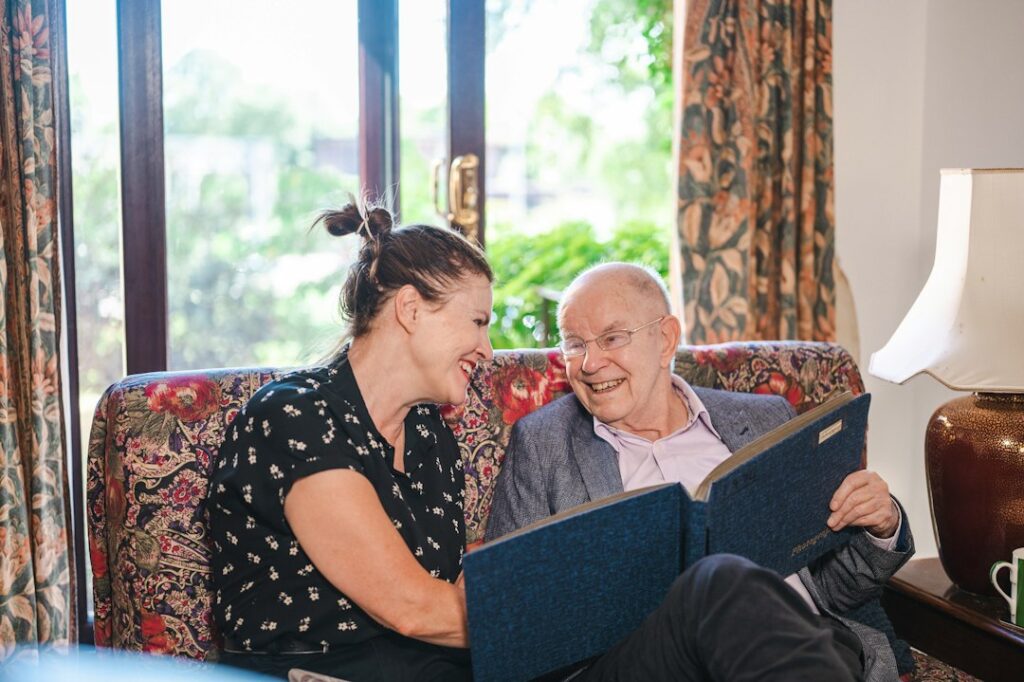
- Looking at family photographs together
- Taking a short walk when conditions are safe
- Inviting the person to share stories or teach a skill
- Including the older adult in ordinary family decisions
- Arranging visits at consistent times
The activity does not need to be elaborate. Folding towels, sorting photographs, listening to music, or discussing local weather may provide comfort and a sense of participation.
How can caregivers tell the difference between normal adjustment and depression?
Sadness, frustration, and homesickness can be expected after a major change. These feelings deserve attention, but they do not automatically indicate depression.
Concern is greater when symptoms persist or interfere with daily life. Warning signs may include:
- Loss of interest in nearly all activities
- Significant changes in sleep or appetite
- Persistent hopelessness, guilt, or worthlessness
- Frequent crying or unusual irritability
- Increased confusion or withdrawal
- Neglect of personal care
- Statements about death, being a burden, or having no reason to live
A sudden change in behavior can also signal pain, infection, medication effects, dehydration, poor sleep, or another medical problem. Medical evaluation is appropriate when symptoms are new, severe, or worsening. Any mention of self-harm or a wish to die should be treated as an urgent safety concern.
What if memory loss makes change harder?
People living with dementia may need more repetition, visual cues, and gradual preparation. Long explanations often increase confusion. A short, reassuring statement may work better than repeatedly debating the details.
Helpful strategies include:
- Keep the environment familiar and uncluttered.
- Use signs, labels, clocks, and calendars.
- Introduce changes one at a time when possible.
- Maintain regular meal and sleep patterns.
- Avoid testing memory or correcting every minor mistake.
- Respond to the emotion behind a question.
- Watch for increased agitation during noisy, crowded, or unfamiliar situations.
A person may not remember why a move occurred but may remember whether the experience felt frightening or respectful. Calm tone, familiar faces, and consistent care can be more reassuring than additional explanations.
When should families seek extra support?
Additional help may be needed when an older adult cannot remain safe, caregivers are exhausted, or disagreements prevent necessary decisions. Safety, legal, medication, and serious mental health concerns should not be managed through guesswork.
Keep communication organized by recording changes in mood, appetite, sleep, mobility, confusion, falls, and medication use. A written record can help identify patterns and give healthcare professionals clearer information.
Adjustment takes time, and progress may not be linear. A person may have a good week followed by renewed sadness after a reminder of what has been lost. Patient listening, stable routines, meaningful choices, and dependable human contact can help an older adult regain confidence without dismissing the reality of the change.
