
Moving to assisted living does not necessarily mean a couple must separate. Many communities can support spouses or long-term partners who have different care needs, routines, or health conditions. The right arrangement depends on the couple’s preferences, available floor plans, care requirements, finances, and the community’s ability to provide appropriate support.
Can couples live together in assisted living?
Often, yes. Couples may be able to share an apartment or suite if both people can safely live in that setting and the residence has suitable accommodations. Some communities offer studio, one-bedroom, or larger layouts that allow spouses to maintain a shared living space while receiving different levels of assistance.
Living together may be especially meaningful when one partner has more advanced care needs than the other. A shared apartment can preserve familiar routines, reduce loneliness, and allow the couple to eat meals, visit common areas, or participate in activities together.
However, couples should not assume that every assisted living residence accepts shared occupancy. Questions to ask include:
- Are couples permitted to share a unit?
- Is there an additional fee for a second resident?
- Can each person receive an individual care plan?
- What happens if one partner later needs memory care, skilled nursing, or hospitalization?
- Can the couple remain together if one person’s care needs increase?
These details should be clarified before a move.
How does assisted living support couples with different care needs?
Assisted living is designed to provide help with daily activities while allowing residents to maintain as much independence as possible. One spouse may need help with bathing, dressing, medications, or mobility, while the other may need only meals, housekeeping, or occasional assistance.
Individual care planning is essential. Staff should evaluate each resident separately rather than treating the couple as one care unit. This helps prevent one partner from becoming an unpaid caregiver by default.
For example, one person may need:
- Morning assistance with dressing and transferring
- Medication reminders or medication administration
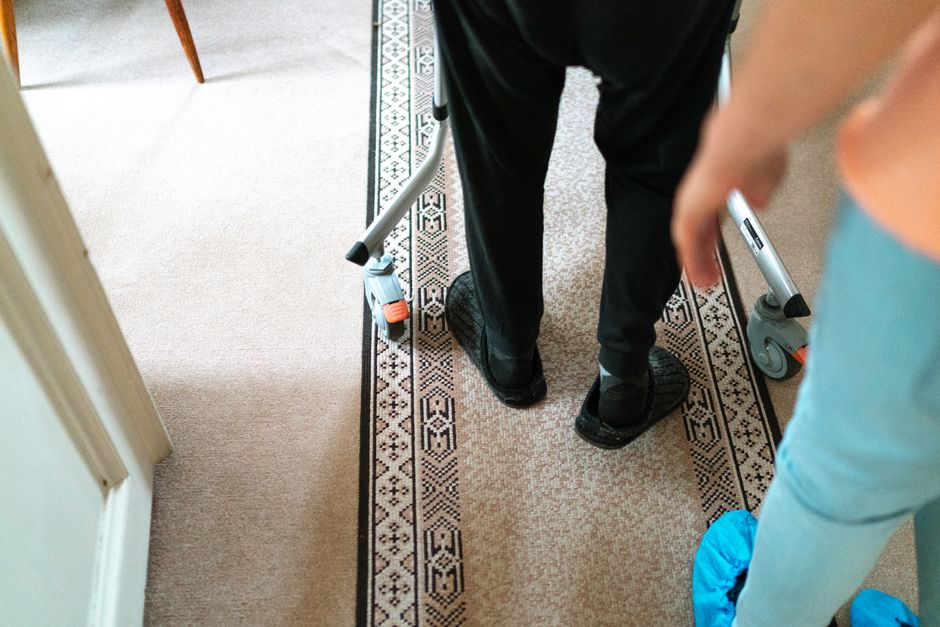
- Help managing a walker or wheelchair
- Additional supervision because of memory loss
The other person may remain independent but benefit from prepared meals, transportation, housekeeping, and access to social activities.
Separate care plans can give both people appropriate support without requiring them to follow identical schedules.
What if one spouse needs memory care?
Memory loss can create difficult decisions for couples. A partner with dementia may need more supervision, a secure environment, or structured activities that are not available in standard assisted living. The other spouse may be able to remain in a less restrictive setting.
Some residences have assisted living and memory care areas within the same campus or building. This may allow spouses to live nearby while receiving different types of support. Depending on the residence, couples may be able to share meals, visit one another, or spend time together in common areas.
A shared room is not always advisable when dementia-related symptoms include nighttime wandering, aggression, frequent confusion, or disrupted sleep. Separate sleeping arrangements may protect both partners while still preserving the relationship.
The goal is not simply to keep a couple in the same room. The goal is to balance companionship with safety, rest, dignity, and appropriate care.
How can couples preserve privacy and independence?
A couple can remain emotionally close without doing every activity together. Assisted living often works best when each person has opportunities for both shared time and individual choice.
Helpful arrangements may include:
- A private or semi-private living space with room for personal belongings
- Separate activity schedules based on each person’s interests
- Time for each partner to visit with friends or family privately
- Independent management of personal spending and appointments when possible
- The ability to choose different meal times or social activities
This balance can be particularly helpful when one person is outgoing and the other prefers quiet routines. It can also reduce tension when one spouse has become accustomed to making most household decisions.
Moving into assisted living may change household responsibilities, but it does not have to eliminate personal identity. Each partner should continue making decisions about clothing, hobbies, visitors, spiritual practices, and daily preferences whenever capacity and safety allow.
What financial issues should couples expect?
The cost of supporting two residents is usually based on the apartment, the services each person receives, and any additional care needs. A couple may share housing expenses but still have separate care charges.
A written cost review should explain:
- Base monthly fees
- Charges for a second resident
- Personal care services for each spouse
- Medication management costs
- Transportation or laundry fees
- Charges related to higher levels of supervision
- Policies for temporary hospital stays or room holds
Financial planning should also consider the possibility that one spouse may eventually need a different level of care. Couples may need to review savings, retirement income, long-term care insurance, veterans’ benefits, or other resources with a qualified financial or benefits professional when eligibility or legal planning is involved.
A low initial cost does not always remain low if care needs change. Understanding how fees are reassessed can prevent surprises later.
What should Archbald families consider before a move?
Seasonal conditions can affect daily life for older adults. In Archbald, winter weather may make walking, driving, and maintaining a private home more difficult, especially for someone with balance problems or limited strength. Assisted living may reduce responsibilities such as snow removal, household repairs, meal preparation, and transportation planning.
Families should also consider how easily relatives can visit during poor weather, whether the building has safe indoor walking areas, and how emergency communication works during power outages or severe storms.
A practical visit should include more than looking at the apartment. Observe whether couples can eat together, how staff respond to residents, whether common areas are comfortable, and whether the atmosphere supports both quiet time and social connection.
What rights and boundaries should couples discuss?
Each partner should have a voice in decisions about housing and care. Marriage does not automatically mean that one spouse can make every medical, financial, or personal decision for the other. Advance directives, health care powers of attorney, financial documents, and privacy preferences should be reviewed while both people can clearly express their wishes.
Couples may also want to discuss:
- Who should be notified in an emergency
- Whether staff may share health updates with the other spouse
- What should happen if one person refuses necessary care
- How personal belongings and finances will be handled
- Whether either partner wants separate living arrangements later
These conversations can feel uncomfortable, but they reduce confusion during a crisis.
How can couples make the transition easier?
A gradual transition is often less stressful than treating the move as a single event. Couples can sort belongings together, decide which furniture has emotional value, and create familiar routines for meals, bedtime, and visits.
Bringing familiar photographs, blankets, music, books, or small household items can make a new apartment feel more personal. It may also help to plan regular shared activities, such as morning coffee, afternoon walks indoors, or visits with family.
The adjustment period may include sadness, frustration, or disagreement. Those reactions do not necessarily mean the move was a mistake. They may reflect grief over leaving a home, changing responsibilities, or accepting new health limitations. Clear communication and flexible care planning can help couples remain partners rather than shifting entirely into a caregiver-and-patient relationship.
